Welcome to LipidOne 2.6

User-friendly lipidomic data analysis tool
for a deeper interpretation
in a systems biology scenario

Explore your lipidomic dataset through four thematic modules

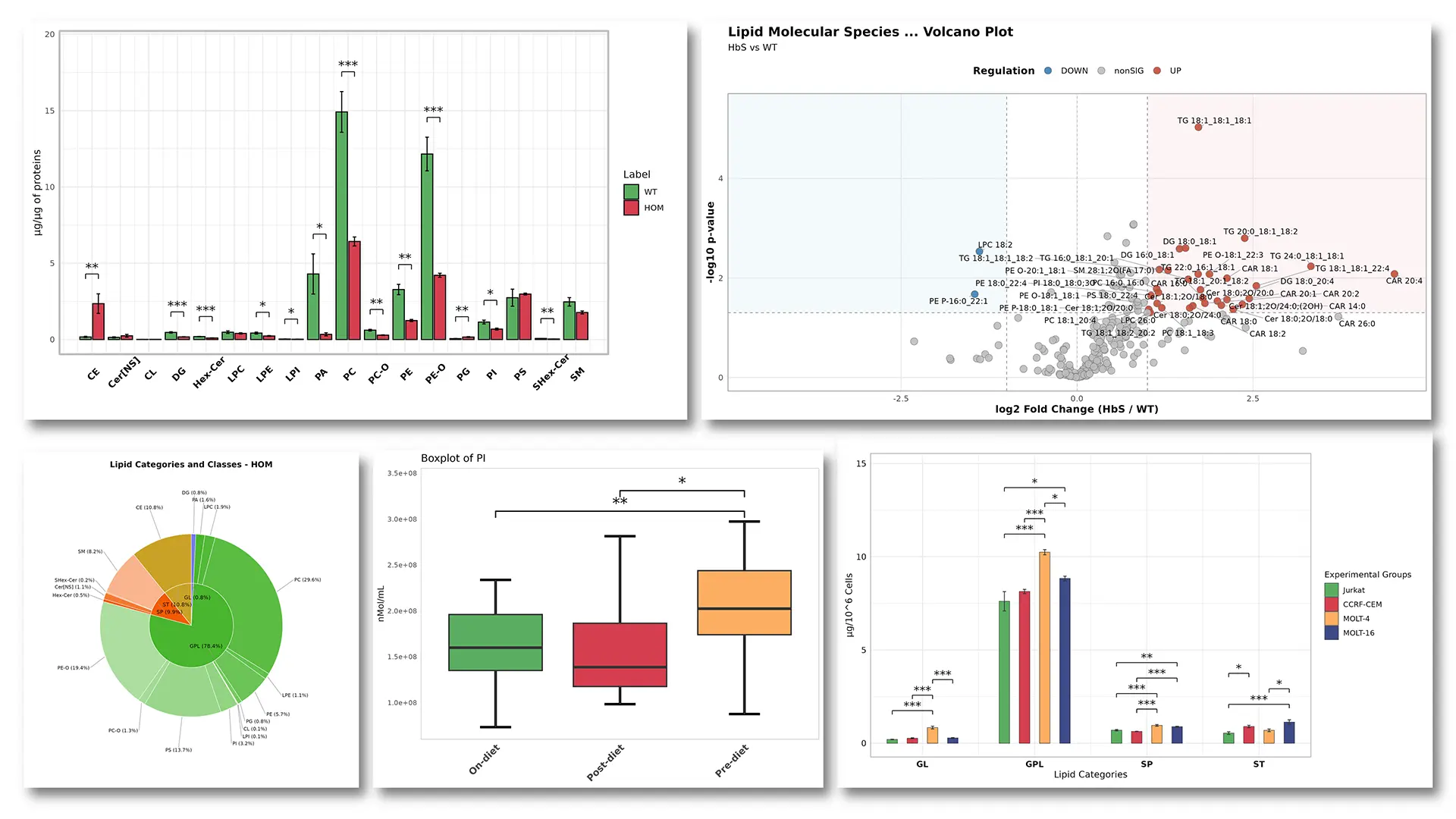
Statistics
Three levels of lipids analysis
  • Classes
  • Molecular species
  • Building blocks
Biochemistry
Functional Lipid Analysis
  • Energy
  • Signaling
  • Structures
Foodomics
Lipid Food Profile
  • Comparative analysis
  • Food lipid characterization
  • Selective in-silico hydrolysis
  • Food origin and authenticity assessment
Metabolism
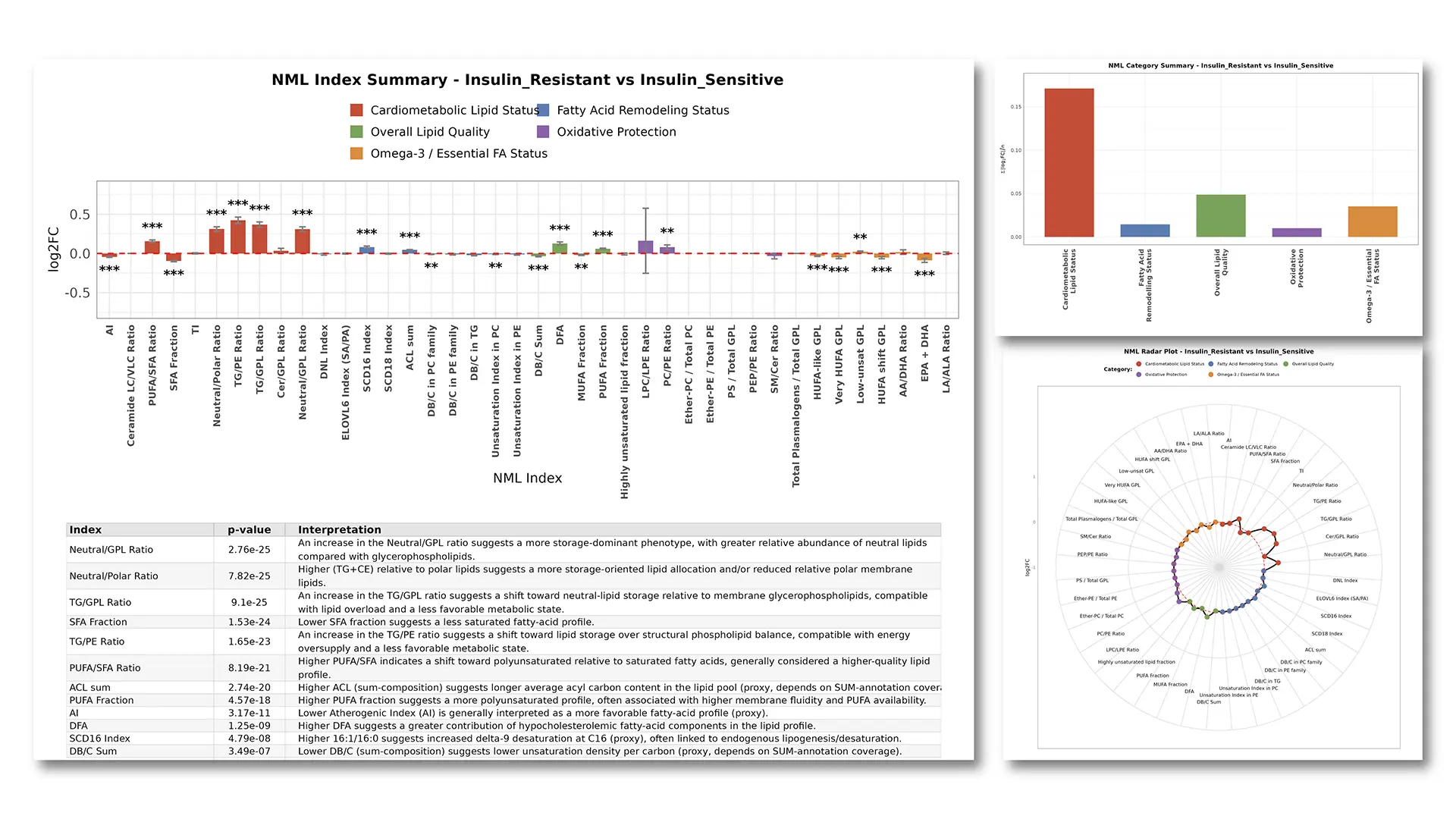
Nutritional-Metabolic Lipid Profile
  • Diet- and disease-related changes
  • Group trajectories and stratification
  • Translational interpretation
Graph
Explore how individual lipids and lipid classes change across experimental groups through clear statistical comparisons and complementary visualizations.
Graph
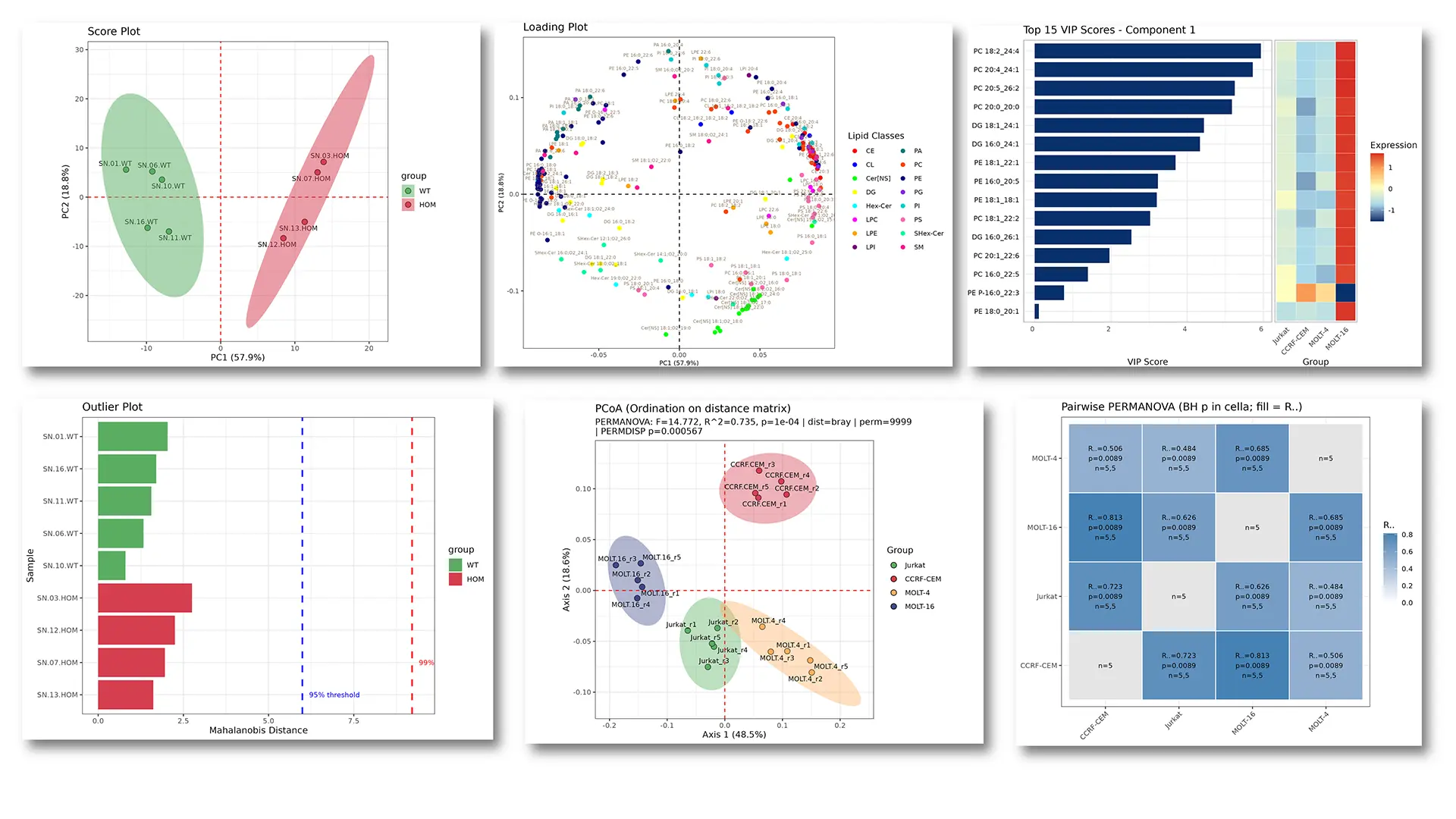
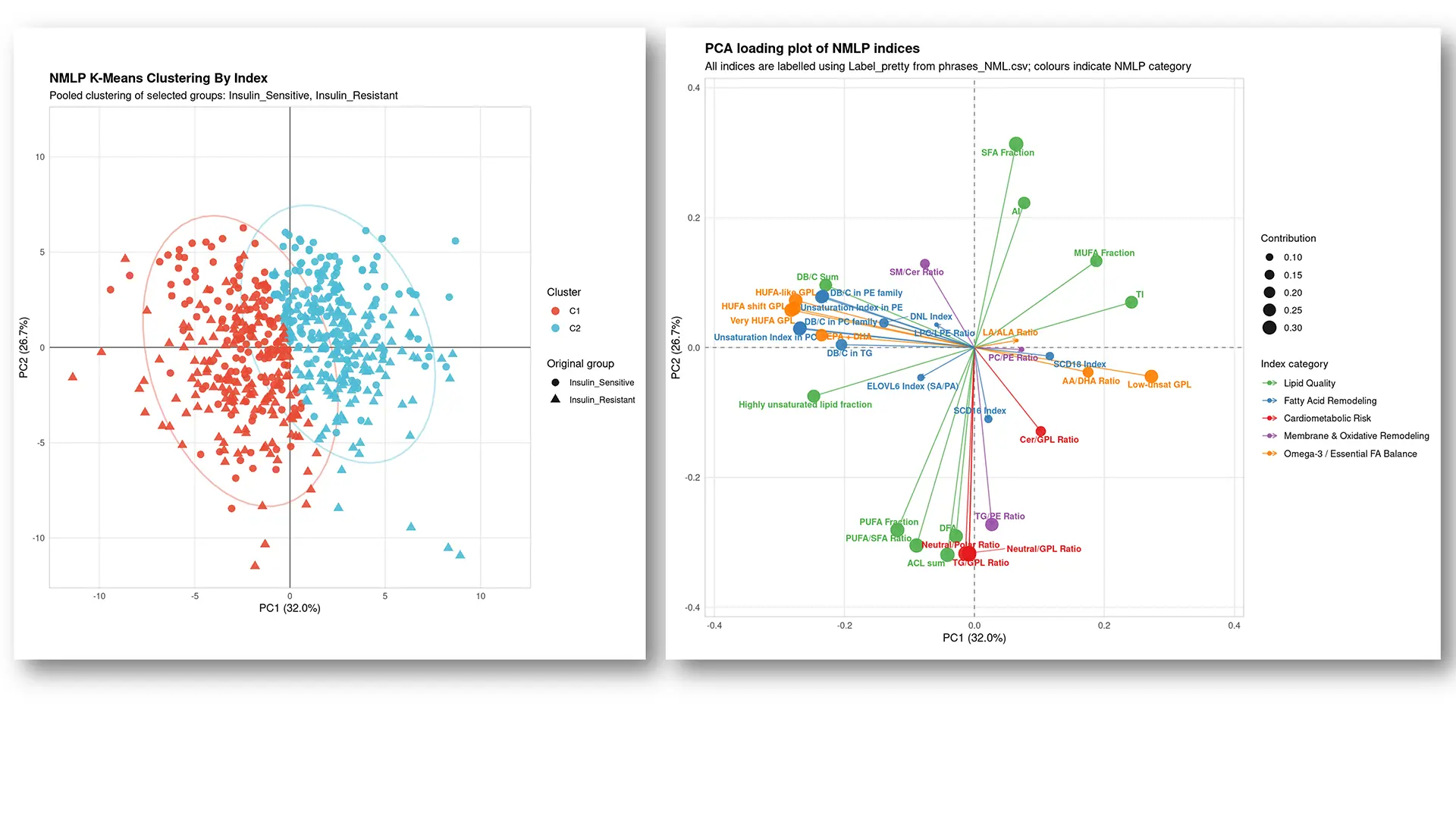
Explore the overall structure of your lipidomic dataset, identify group separation, influential lipids and potential outliers.
Graph
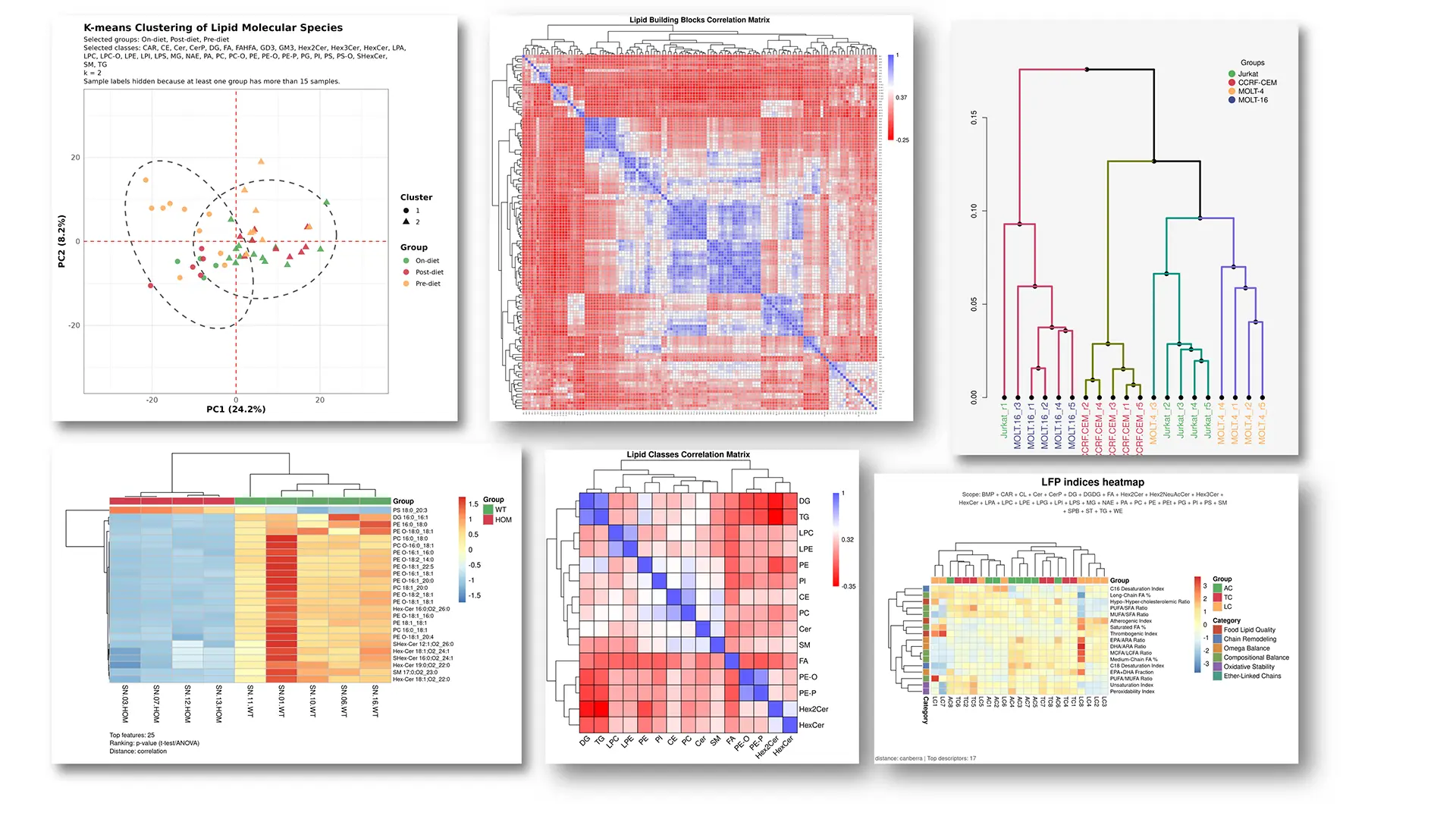
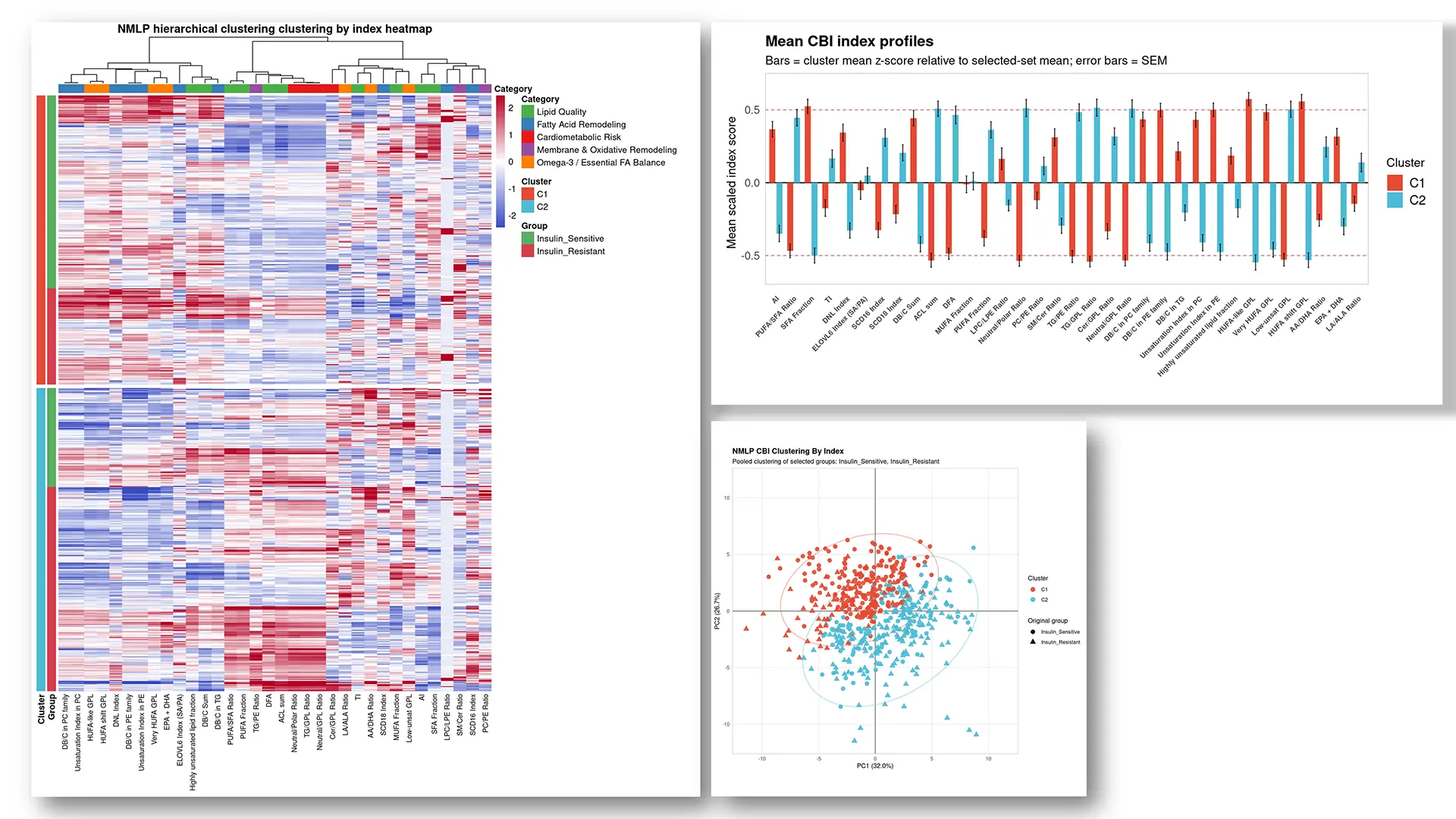
Discover natural sample groupings and coordinated lipid patterns through clustering and heatmap-based exploration.
Graph
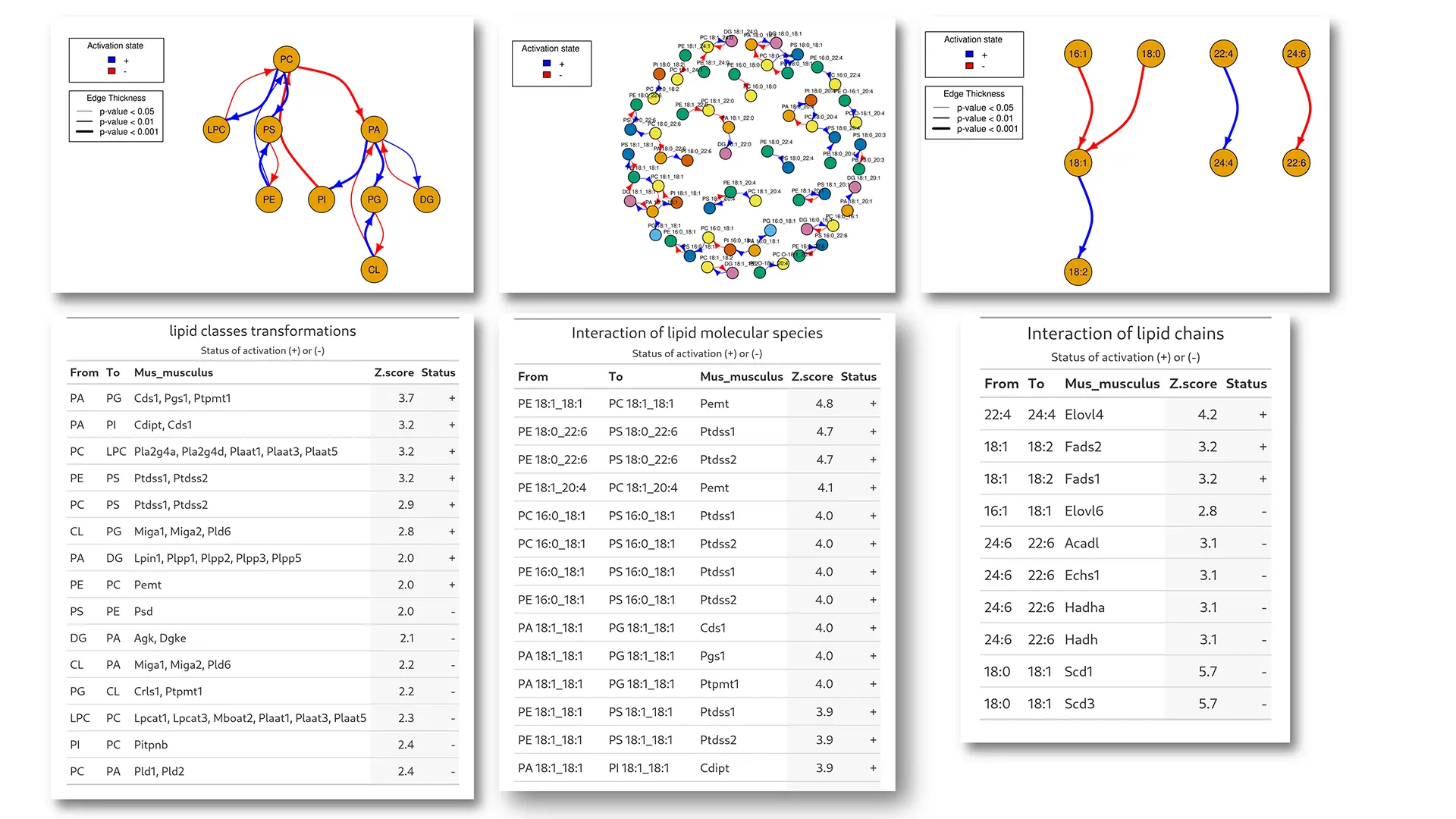
Move from lipid changes to metabolic interpretation by exploring predicted transformations at lipid-class, molecular-species and fatty-acyl levels.
Graph
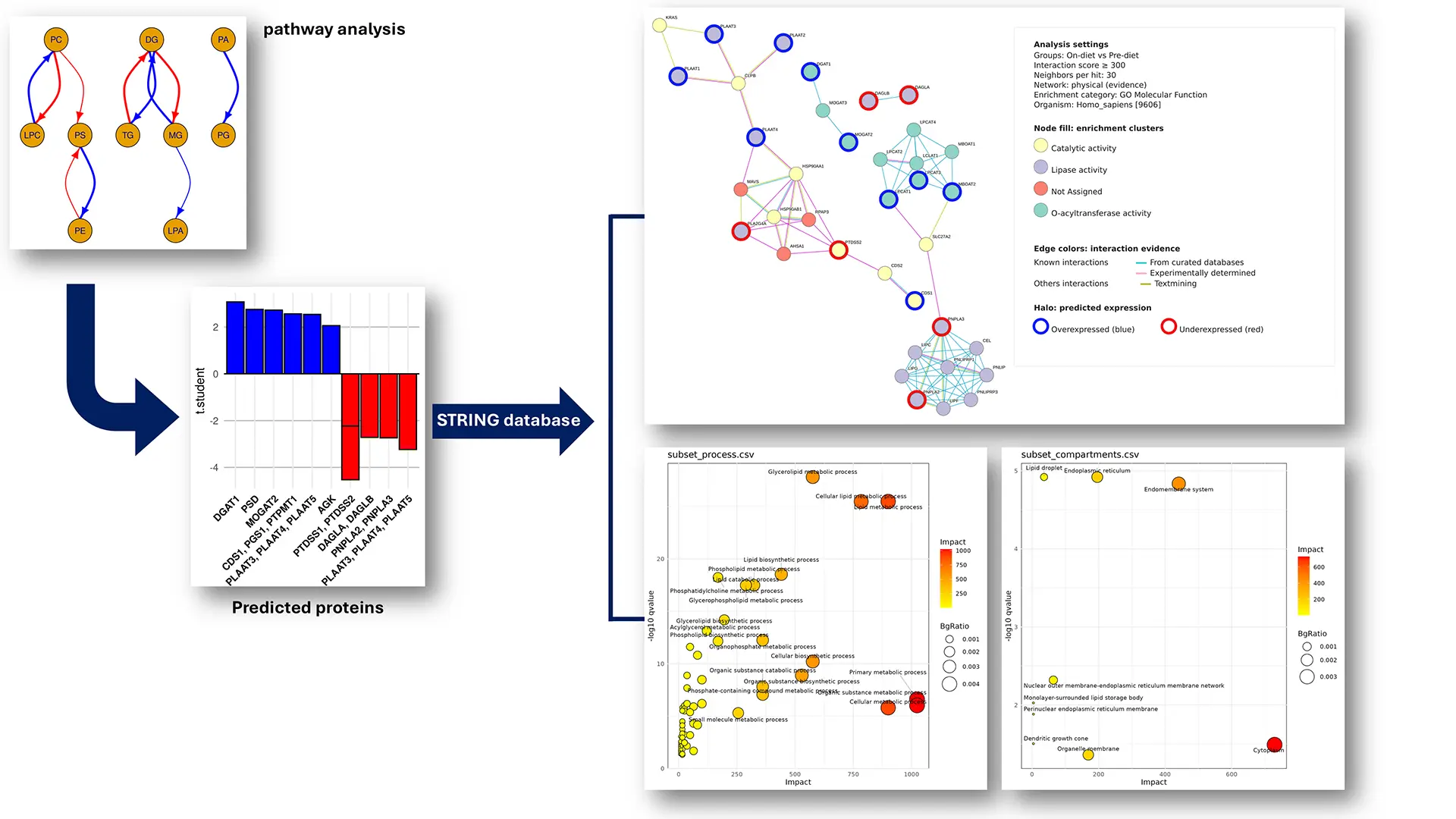
Connect lipidomic alterations with predicted proteins, interaction networks and enriched biological processes.
Graph
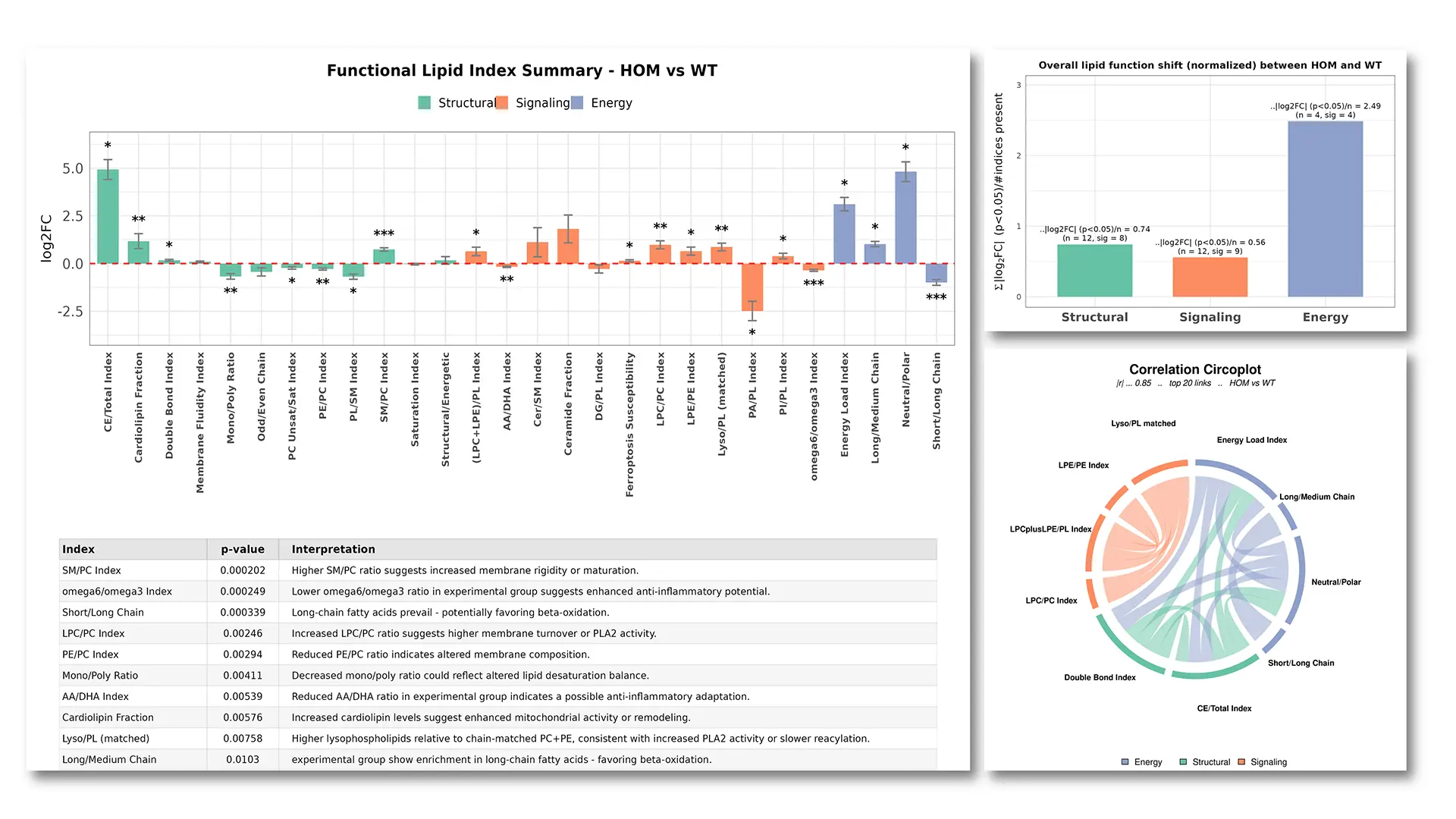
Translate complex lipid profiles into biologically meaningful indices describing structural, signalling and energy-related lipid functions..
Graph
Describe food lipidomes through interpretable functional indices and reveal changes in lipid quality, composition, balance and stability.
Graph
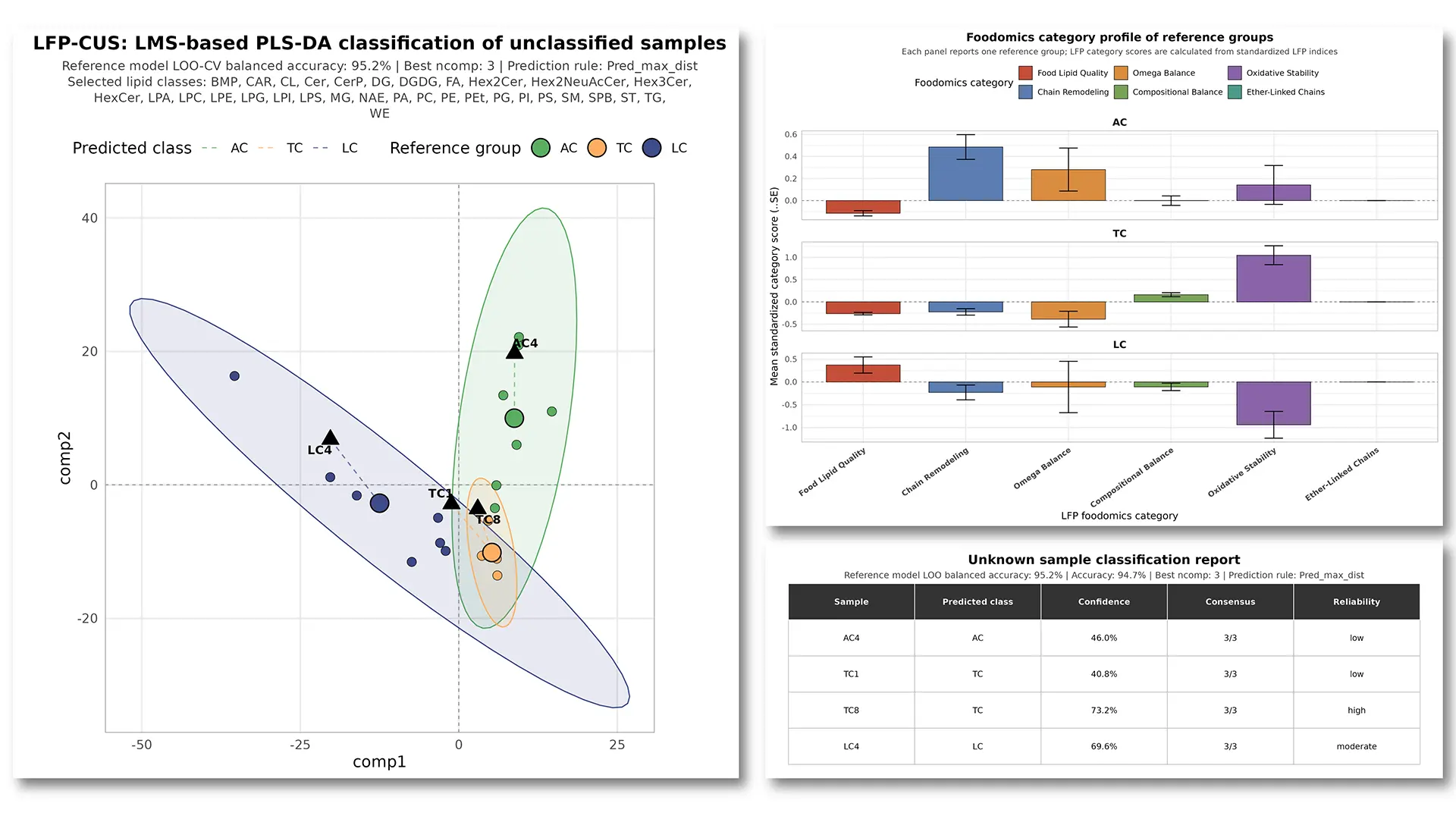
Classify unknown food samples against reference groups while combining molecular lipid signatures with an interpretable foodomics profile.
Graph
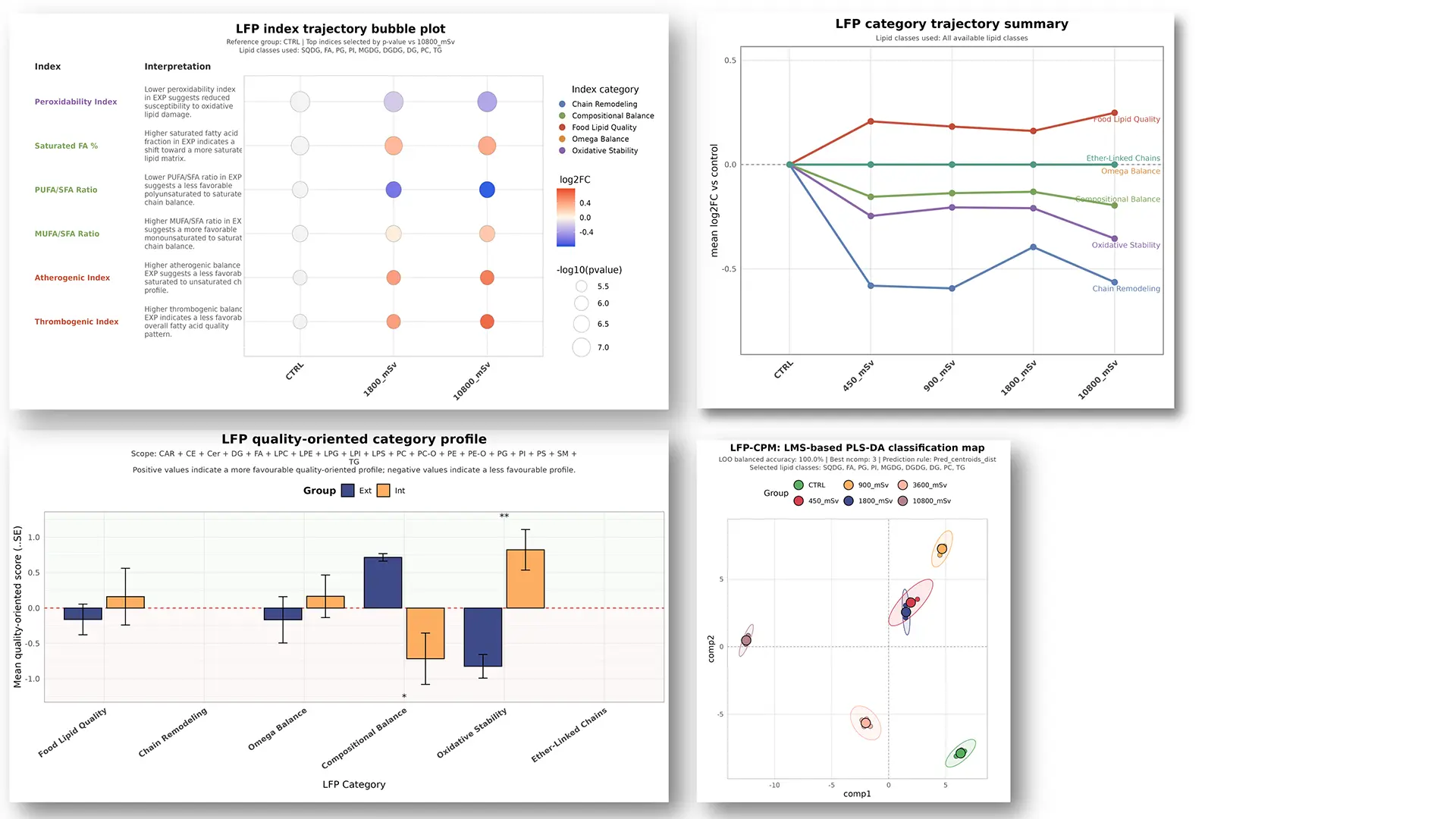
Translate lipidomic differences into interpretable nutritional and metabolic indices and summarize their changes across major biological dimensions.
Graph
Reveal hidden sample subgroups and the nutritional-metabolic lipid signatures that characterize them, independently of the original experimental labels.
Graph
Explore alternative sample partitioning and identify the lipid indices and nutritional-metabolic dimensions driving the resulting patterns.
Graph
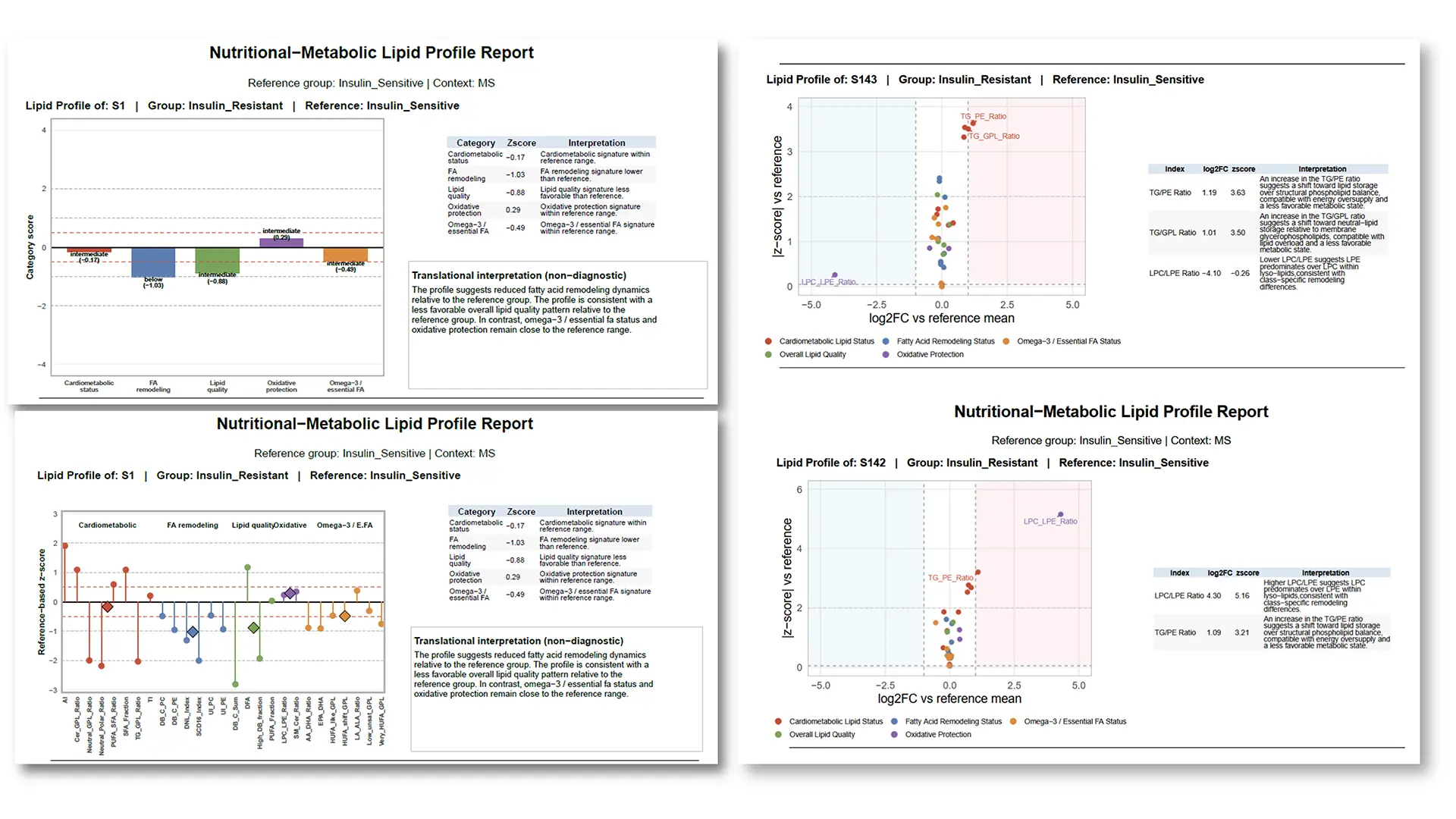
Move from group-level analysis to individual lipid profiles with sample-specific reports referenced to a selected biological group.
Recent Research Using LipidOne
  • LUO, X. et al. (2026) «Enhanced Lipidomics via False-Positive Filtering and Multilevel Interpretation Reveals Six Mediators Linking Intravenous Omega-3 Lipid Emulsions to Neuropathic Pain Modulation», Journal of Agricultural and Food Chemistry, 74(27). https://doi.org/10.1021/acs.jafc.6c00987
  • Gunsch G, Mishra G, Blaszkiewicz M, de Sousa E, Willows JW, Alltop KW, Towle A, Collins S, Khalil A, Snodgrass IF, Agha L, Prakash K, Maganuru R, Dhavamani S, Newman JW, Townsend KL. Effects of 6-OHDA-Mediated Chemical Denervation of Sympathetic Axons in Inguinal Subcutaneous White Adipose Tissue. Diabetes Obes Metab 2026 Aug 25. https://doi.org/10.1111/dom.71251
  • Arsic, Aleksandra, Ales Kvasnicka, David Friedecky, Nebojsa Ivanovic, Maja Milosevic, and Vesna Vucic. 2026. "Aromatase Inhibitor Therapy Is Associated with Distinct Plasma Lipidomic Profiles in Postmenopausal Breast Cancer Patients". International Journal of Molecular Sciences 27, no. 4: 1926. https://doi.org/10.3390/ijms27041926
  • Narimanfar, G., Alabed, H.B.R., Brancolini, A. et al. Multi-parametric profiling of plasma-derived extracellular vesicles reveals a disease-associated molecular signature supporting a liquid biopsy approach in myelofibrosis. Mol Med (2026). https://doi.org/10.1186/s10020-026-01477-6
  • Arad, M., & Foster, L. J. (2026). Toward large-scale mass spectrometry-based omics for clinical applications. Expert Review of Proteomics, 23(3), 63–77. https://doi.org/10.1080/14789450.2026.2646657
  • Garcia-Gimenez, A., Ditcham, J.E., Azazi, D.M.A. et al. CREBBP inactivation sensitizes B cell acute lymphoblastic leukemia to ferroptotic cell death upon BCL2 inhibition. Nat Commun 16, 4274 (2025). https://doi.org/10.1038/s41467-025-59531-6
  • Michael G. Atser, Chelsea D. Wenyonu, Elyn M.et al., Pyruvate dehydrogenase kinase 1 controls triacylglycerol hydrolysis in cardiomyocytes, Journal of Biological Chemistry, Volume 301, Issue 4, 2025, 108398, ISSN 0021-9258, https://doi.org/10.1016/j.jbc.2025.108398.
  • Volante, V.S.; Watson, F.L.; Bhattacharya, S.K. A Comparative Bioinformatic Analysis of Optic Nerve Axon Regeneration Lipidomes Using the Xenopus laevis as a Model System. Methods Protoc. 2025, 8, 110. https://doi.org/10.3390/mps8050110
  • Amrutkar, M., Guttorm, S.J.T., Labori, K.J. et al. Reduced lipid metabolite abundance in human pancreatic cancer and matched serum samples following neoadjuvant FOLFIRINOX treatment. Metabolomics 22, 18 (2026). https://doi.org/10.1007/s11306-025-02388-z
NEW Unipg
Our latest updates
Discover the new features:
  • Lipid Food Profile: a new LipidOne module that transforms lipidomics data from foods into intuitive descriptors of lipid quality, fatty-acid composition, omega balance, oxidative stability and chain remodelling, supporting the interpretation and comparison of food lipid profiles.
  • Nutritional-Metabolic Lipid Profile: a new LipidOne module that turns plasma lipidomics into intuitive nutritional and metabolic indices, helping reveal hidden signatures of diet, metabolism and human health.
  • Enhanced shorthand translation: LipidOne now also integrates the Rgoslin* library and automatically converts classical fatty-acid names into shorthand notation, making lipid nomenclature harmonisation more robust and flexible.
    (*) Kopczynski, D., Hoffmann, N., Peng, B., & Ahrends, R. (2022). Goslin 2.0 Implements the Recent Lipid Shorthand Nomenclature for MS-Derived Lipid Structures. Analytical Chemistry, 94(15), 6097–6101. https://doi.org/10.1021/acs.analchem.1c05430
New features from v.2.4:
  • New data upload workflow: a redesigned input pipeline now detects the nomenclature level of your dataset and guides you through a smoother, more robust import—reducing formatting friction and making uploads more reliable across different lipidomics outputs.
  • Chain Space: a new analysis view that projects your results into “chain space”, helping you quickly spot which acyl/alkyl chain signatures (e.g., unsaturation and chain-length patterns) drive differences between experimental groups.
  • Functional Lipid Analysis: our innovative module for functional lipid profiling is now online. It calculates 42 functional indices, grounded in well-documented biochemical principles, to capture how energy, structural and signaling functions change between experimental groups.
  • Improved Predicted Proteins Network: a new network architecture better links lipid changes to their regulatory proteins, making it easier to move from lipid signatures to mechanistic hypotheses.
  • PERMANOVA for lipid molecular species: a new function lets you test group differences directly on distance matrices, with support for covariates and blocking factors.
  • Shorthand lipid translator upgraded: the utility now understands Thermo’s LipidSearch nomenclature, allowing LipidSearch users to feed their lipidomics tables directly into LipidOne.
  • LipidOne on ELIXIR-IT: LipidOne is now hosted on the ELIXIR-IT infrastructure, offering faster analyses, higher uptime and seamless integration with other European bioinformatics services.
Stay Connected with LipidOne!
Join the LipidOne research community and stay updated on the latest advancements in lipidomics! By subscribing to our newsletter, you will receive updates on new features, tools, and improvements designed to enhance your lipid analysis workflows.

Intuit Mailchimp

No spam, just valuable content!
We respect your privacy – your email will never be shared, and you will receive at most one email every 4-8 months with relevant updates.

Why subscribe?

  • Get insights into the latest implementations and updates in LipidOne
  • Stay informed about new lipidomics resources and analytical methods
  • Be the first to know about upcoming features and opportunities for collaboration
Join us today and be part of a growing network of lipidomics researchers!

Completed Jobs: 18540

1-100
101-200
201-300
301-400
401-500
501-600
601-700
701-800
801-900
901-1000
1001+
Jobs by country